
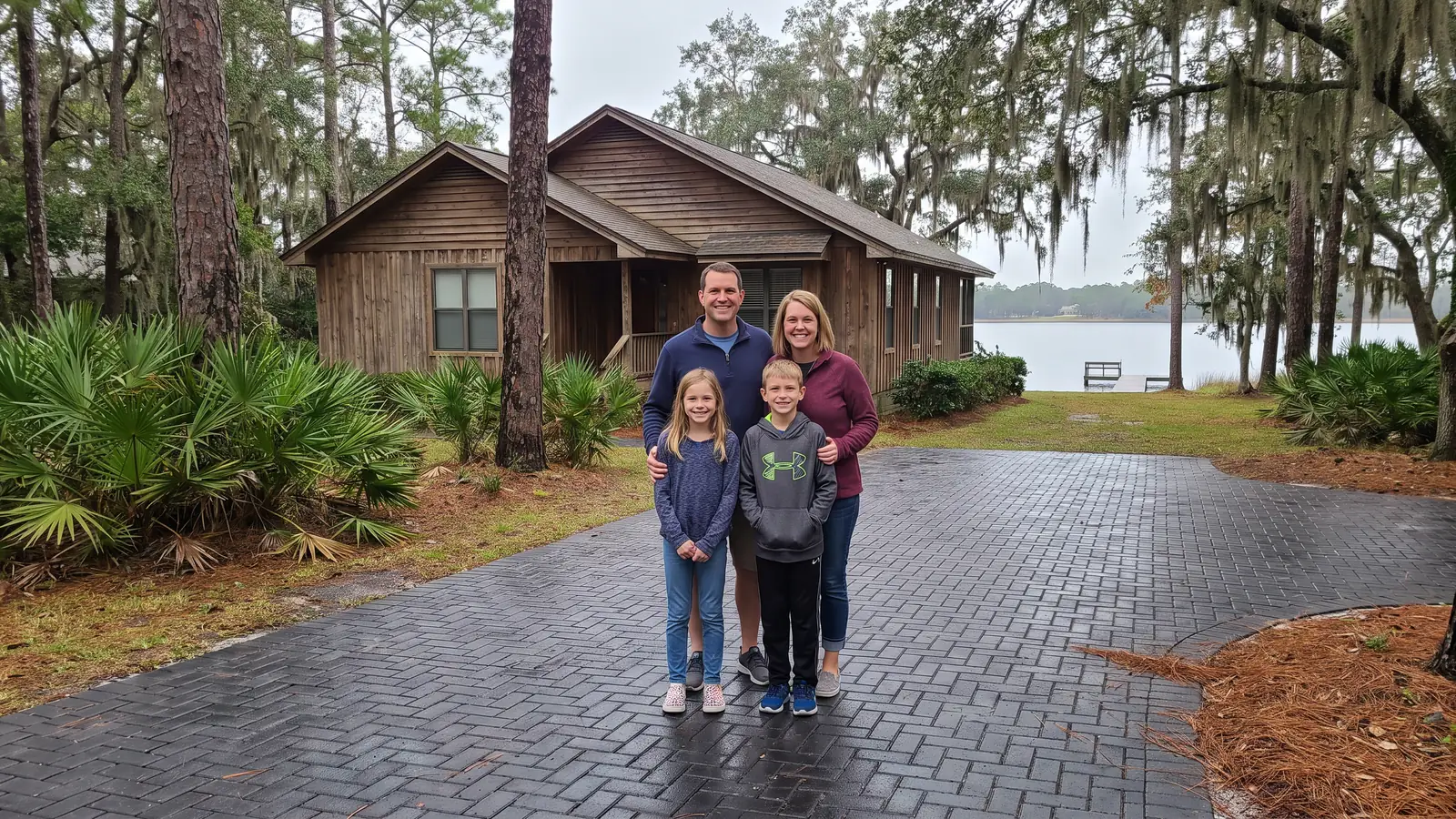
Paver sealing for St. Augustine homes
Paver Sealing in St. Augustine, FL
Near the Castillo, in Lincolnville or out toward Fullerwood Park, call (386) 614-8898 for a free St. Augustine paver sealing estimate.
- Brings out deeper paver color
- Fresh joint sand helps lock pavers in place
- Gives weeds less room to grow
- Makes the surface easier to keep clean
- Free estimate, no obligation
Request a Free Estimate
Free, no obligation.
Fast, careful paver sealing in St. Augustine
Paver sealing in St. Augustine starts with a free estimate from a local contractor, for driveways, courtyards and pool decks from Lincolnville to Fullerwood Park. A local contractor replies within 1 business day, usually much sooner than that. Call (386) 614-8898 to set up a look.
Picture a courtyard of tan and red pavers gone chalky, with a salt haze across the surface and green in the shaded joints. A gentle wash, fresh sand and a new coat can bring the color back. Say what you see when you request a free estimate, and nothing obliges you to book.
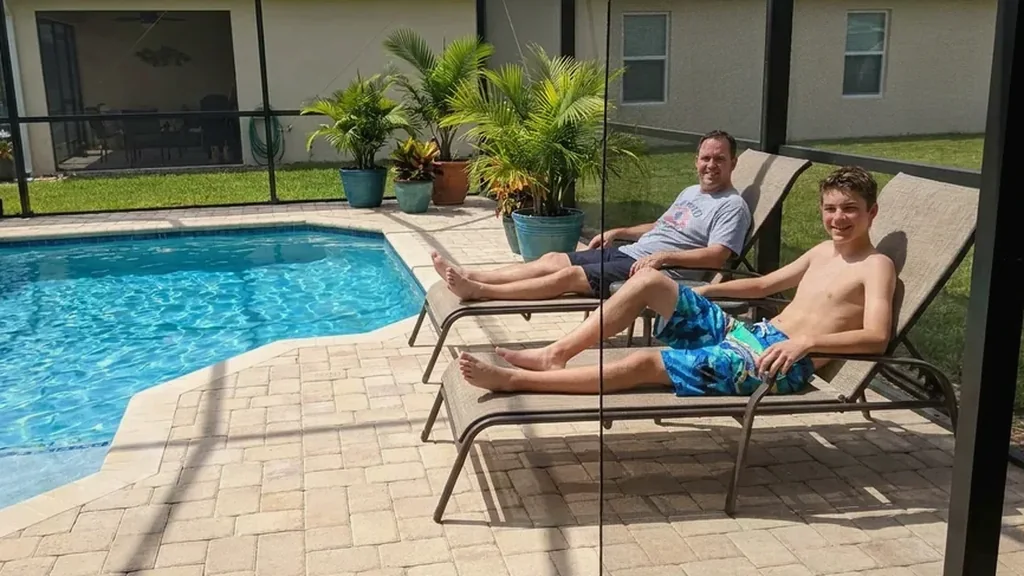
Why hire a local paver sealing contractor in St. Augustine?
St. Augustine mixes historic districts, tidal marsh and salt air, so the right way to clean and seal pavers changes from one street to the next. A local contractor knows which of those apply to you, and you can call (386) 614-8898 to ask.
A no-charge walk through
The contractor goes over your St. Augustine driveway, courtyard or pool deck at no charge, and you hear a price before agreeing to anything.
A range for testing any bid
Northeast Florida companies publish $1.75 to $3.25 per square foot to clean, sand and seal. Compare each St. Augustine bid to that range.
Gentle washing near old masonry
Safe Touch says coquina and historic stucco need soft-wash methods, not pressure. Ask how the contractor will protect them.
Check district rules first
Owners in a historic district can ask the city about approval before booking. The estimate asks nothing of you.
Get Your Free Estimate in St. Augustine
Tell us about your pavers in St. Augustine.
Free, no obligation
What paver problems show up most in St. Augustine?
Salt air off the Matanzas River and the bay
Salt air off the Matanzas River and the bay can crystallize in paver pores, one St. Augustine paver company says. Near the water it sets the reseal cycle at 2 to 3 years, against about four elsewhere. The Matanzas is a narrow saltwater estuary with a tidal range of up to 6 feet, so the spray and humidity are part of daily life here. For a courtyard close to the marsh, that is worth raising at the first visit.
Damp joints beside tidal marsh
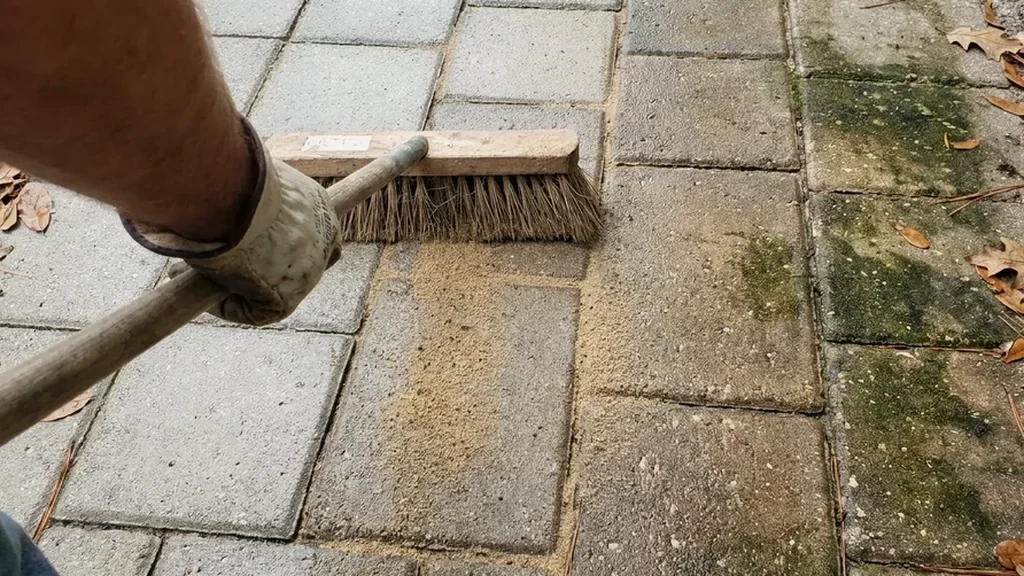
Fullerwood Park's eastern edge curves along tidal marshes and Hospital Creek, and Wikipedia notes that daily summer thundershowers are typical in St. Augustine. A landscape trade group says moss and algae grow on pavers where the area is heavily shaded, and treatment has limited value where pavers stay damp. Shady, low-lying pavers dry slowly, which means they need more time before sealer. Tell the contractor which corners stay wet the longest.
Coquina and old stucco next to the pavers
Wikipedia says coquina is a rock made of shell fragments, and that exposed coquina masonry is slowly deteriorating. Safe Touch says coquina and historic stucco in this area need soft-wash methods, not pressure. A trade supplier adds that going over 3,000 PSI on concrete pavers risks stripping the surface. The wash has to be planned around what the pavers touch. Rinse water gets steered away from the wall as well.
Sandy fill and joints that empty out
The USDA St. Augustine soil series is sandy fill from dredging, with shell fragments, rated somewhat poorly drained, on flats and low ridges beside tidal marshes. Safe Touch lists sand in joints as a local paver problem. When joints lose sand they widen, soil moves in and weeds follow, so refilling comes before any sealer. Sand that sits low in the joints is the first sign.
Brick, travertine and other porous pavers
A Jacksonville paver company says travertine, natural stone and brick are more porous than concrete and need different sealer chemistry, which raises the cost. St. Augustine has long used brick, and archaeologists found that brick followed shell, earth and cypress as the first permanent street material downtown. If your patio is brick or stone, say so at the first visit.
Do paver rules change inside St. Augustine's historic districts?
Yes, they can. The city requires a Certificate of Appropriateness for most work in its five Historic Preservation zoning districts, HP-1 through HP-5, and owners can find their district on the city's Interactive GIS Map. Matching materials and designs may be approved administratively, the city says. Sealing is not named on the page, so ask city staff, then request a free estimate.
Fullerwood Park has gridded streets east of San Marco Avenue and mostly one- and two-story Colonial Revival and Bungalow homes. Nelmar Terrace was platted in 1886 and re-platted in 1913, and it was sold as an upscale suburb with big lots and deed restrictions. Lincolnville was founded by freedmen in 1866 and has narrow streets, small lots and houses close to the street line. Tell the contractor your neighborhood when you request a free estimate.
Lot size changes the job. A small Lincolnville courtyard can cost more per square foot than a long Nelmar Terrace drive, since a Jacksonville cost guide says prep time does not shrink with the surface. Abbott Tract, a 17-block area between Matanzas Bay and Pine, San Marco and Shenandoah avenues, adds more tight, older lots. Call (386) 614-8898 with your rough measurements.
What does paver sealing cost in St. Augustine?
Published prices from First Coast companies run $1.75 to $3.25 per square foot for the clean, sand and seal, and strip-and-reseal costs more when the old coat has failed. Prep work moves the price more than the sealer does, says one St. Augustine paver company. To find where your pavers land in that range, request a free estimate.
Stone and brick cost more to seal than concrete, because they are more porous. An Ocala paver company calls stripping old, peeling sealer the biggest single cost jump on a job, and that holds anywhere in Florida. Small courtyards and tight side yards add prep time too. Call (386) 614-8898 and describe your surface and access.
| Paved area | Typical example | Clean, sand and seal |
|---|---|---|
| 300 sq ft | Small patio or walkway | $525 to $975 |
| 600 sq ft | Two car driveway | $1,050 to $1,950 |
| 1,000 sq ft | Large driveway or pool deck | $1,750 to $3,250 |
| 1,500 sq ft | Driveway plus pool deck | $2,625 to $4,875 |
Math based on the $1.75 to $3.25 per square foot that Northeast Florida paver companies publish. Your contractor sets the actual price after seeing the surface. Repairs, leveling and stripping failed sealer are usually extra.
How does a paver sealing job work in St. Augustine?
Walk the property and sort the surfaces
The contractor checks for sunken or heaved pavers, old sealer and what sits next to the pavers. A St. Augustine paver company says sealing does not fix sinking, heaving or cracked pavers, which need an installer first. A Jacksonville company says sealing over a low spot only preserves it, so repairs come before the coat. Mention any past repairs, and say if the property sits in a historic district.
Soft wash near coquina and stucco
Cleaning follows. Safe Touch says coquina and historic stucco need soft-wash methods, and a home guide warns that a pressure washer can push sand out from between pavers. Rust and oil spots are pre-treated here, and efflorescence is treated before sealing, as one First Coast company lists among its St. Augustine services. The goal is a clean surface without stripping the pavers or the joints.
Put sand back, then wait for a dry surface
Washing lifts out joint sand, so fresh silica sand goes back in. Then the pavers need to dry fully. A St. Augustine paver company says new pavers should wait 60 to 90 days so efflorescence can surface and be treated first. Summer thundershowers can delay the dry window by a day or more. Joints should sit full and level before the contractor moves on.
Seal with the finish you picked
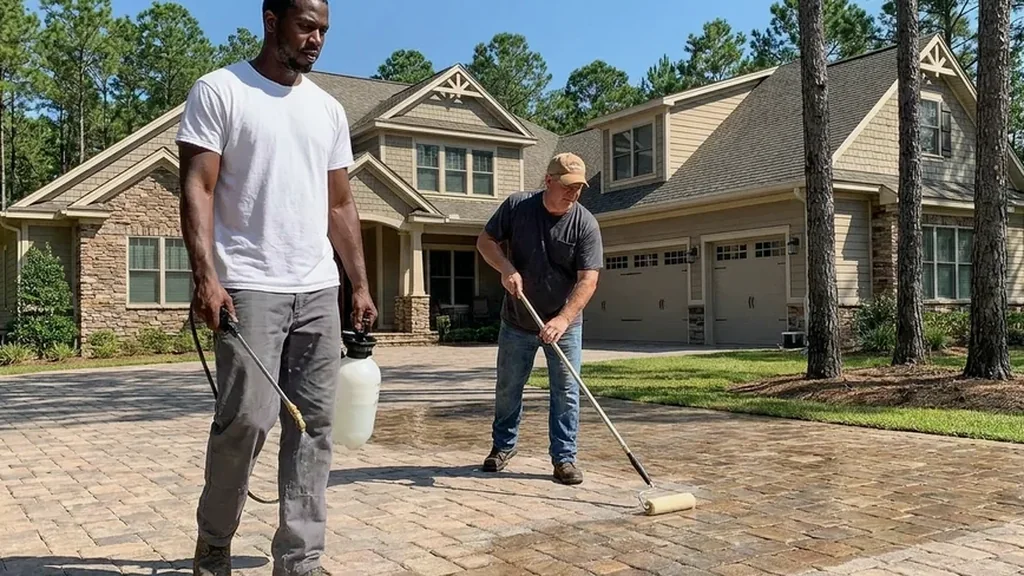
Professionals spray the sealer and then back-roll it for even coverage. Finishes run from wet look gloss and satin to natural matte, and a penetrating natural stone finish exists for travertine and coquina. A St. Augustine paver company says its water-based sealant does not leave a slick surface, so ask about grip on a pool deck. The coat goes on thin and even, and extra is worked out of the joints.
Let it cure and set a reseal date
A Jacksonville company says people can usually walk on it within a few hours, while cars should wait about a day. One St. Augustine paver company recommends resealing every 3 to 5 years, and another puts it at 2 to 3 years near the water. Ask the contractor which fits your block. Keep the product name for the next visit, since a water-based coat cannot go over a solvent-based one.
Complete paver services in St. Augustine
Start to finish, a St. Augustine job is a wash, a joint refill, a dry-out and a coat of sealer. Salt film and dirt come off first so neither ends up under the coat. Ask how long each stage takes for your courtyard or drive when you request a free estimate.
A St. Augustine exterior cleaning company says surfaces here face coastal air, moisture, foot traffic, tree cover, pool water and sun. Courtyards, driveways and pool decks each get a different mix of those. Call (386) 614-8898 and name your surfaces, and which ones stay shaded.
Brick and stone take different products than concrete. One St. Augustine paver company applies a water-based sealant, and that kind cannot go over a solvent-based coat, so the old coat decides what comes next. Most pool decks get a penetrating sealer, says a Jacksonville cost guide. To choose a finish for your home, request a free estimate.
Daily thundershowers are typical in St. Augustine summers, so a sealing day needs a dry stretch. Sealer needs a dry surface, and a St. Augustine paver company says to hold off on new pavers for 60 to 90 days. That means a good window is a dry stretch with a few clear days in a row. For an open date, request a free estimate.
Questions to ask before you hire
- Do you rinse the joints out first, or only sweep them?
- Can you tell me how many days my driveway has to stay free of cars?
- Does the sealer you use leave a glossy finish or a natural one on my pavers?
- Will you cover my landscaping lights, hose bibs and drains before spraying?
- How do you deal with the rust spots from my sprinkler water before sealing?
- How do I tell a good sealing job from a thin one when you are done?
- Do you sand the joints with a polymeric product after the wash?
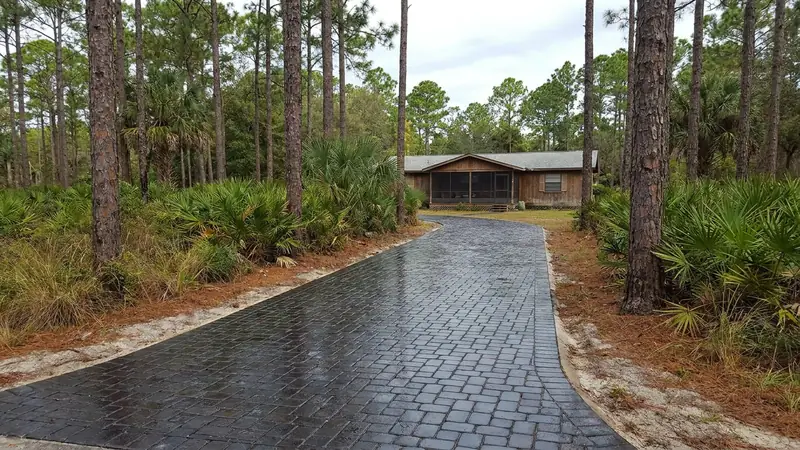
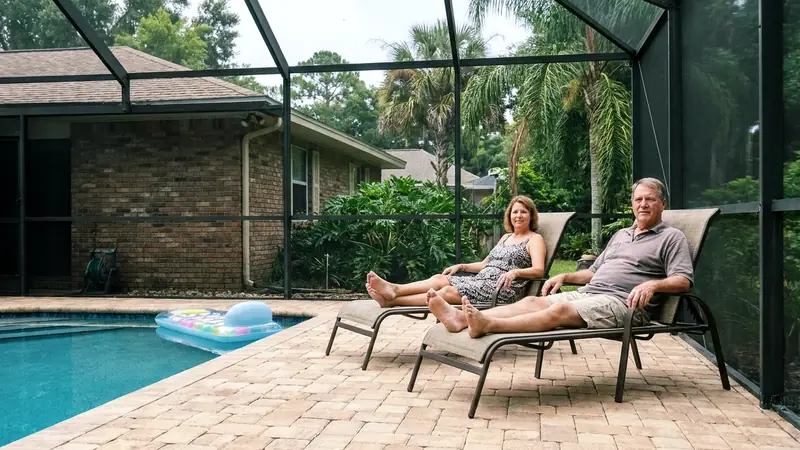
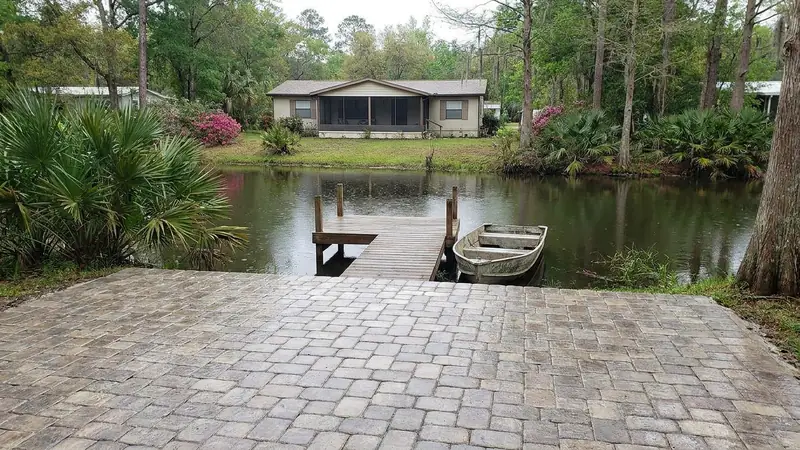
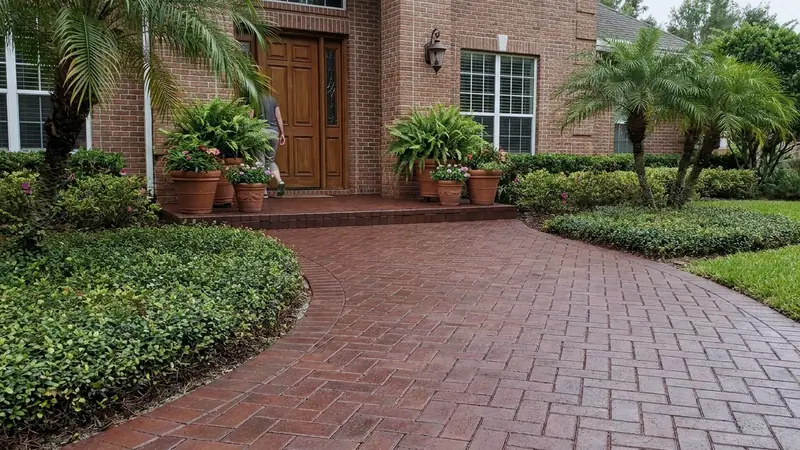
What do sealed pavers look like around St. Augustine?
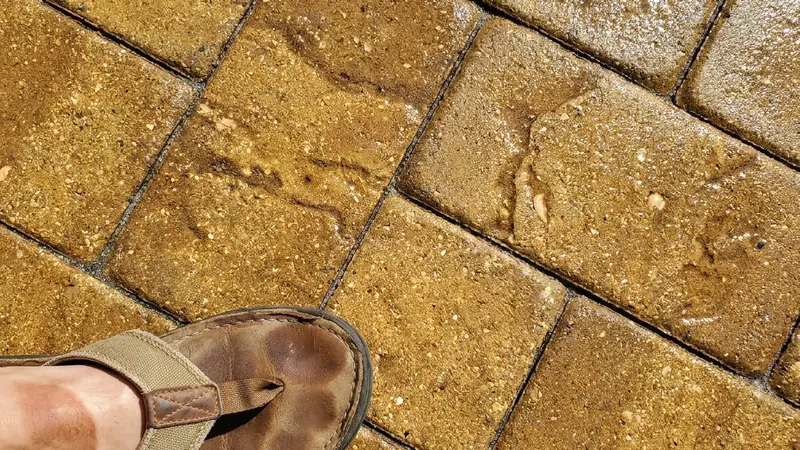
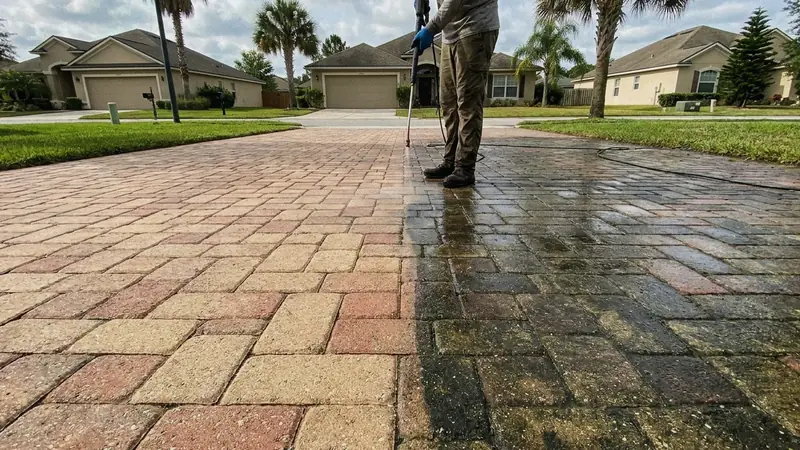
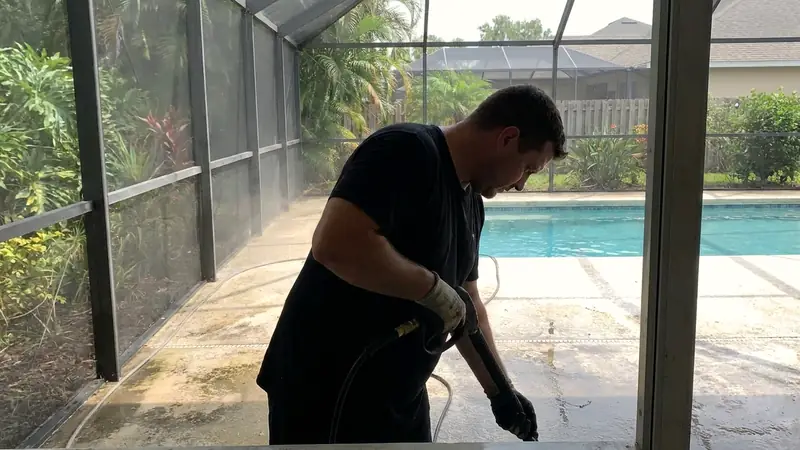
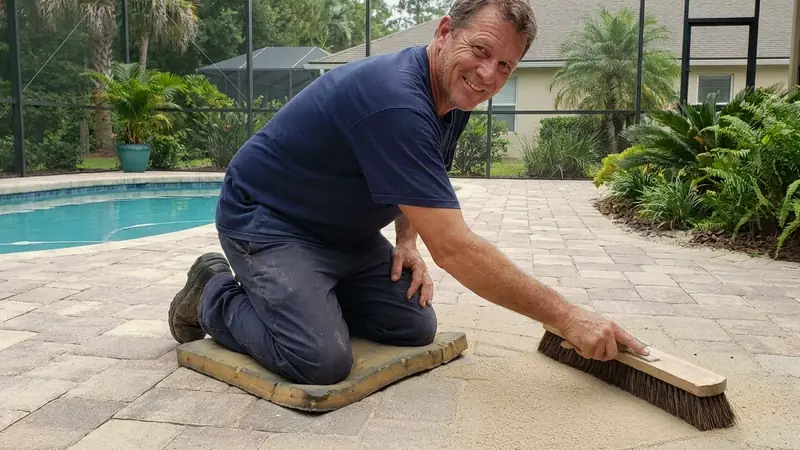
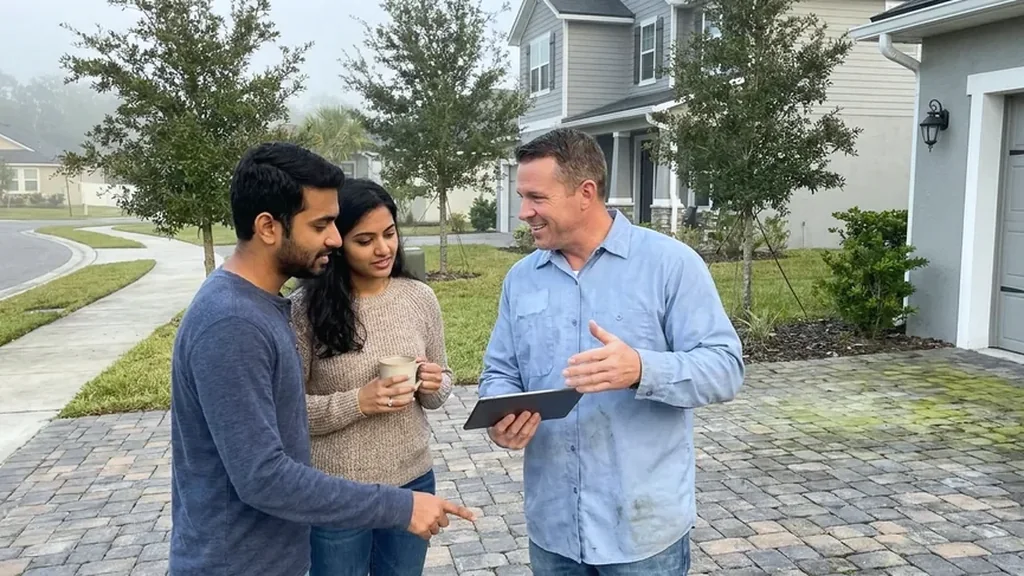
Why local matters in St. Augustine
A contractor who works in St. Augustine expects salt in the air and coquina next to the pavers. That changes the wash method and the reseal schedule. A crew used to dry inland lots may not plan for either one. Reach a local contractor at (386) 614-8898.
Local work also means knowing the paperwork. St. Augustine has five Historic Preservation zoning districts, and changes inside them go through the city's Historic Architectural Review Board. A contractor who works here will ask whether your address sits in one. Look up your district first, then request a free estimate.
Surfaces are different here too. A St. Augustine Blend brick paver was made to match the tans, light reds and purples of the old downtown brick. Brick patios and stone steps are not unusual on older lots, and they take different sealer than concrete. If yours is brick or stone, tell the contractor when you call (386) 614-8898.
Does hiring someone who knows old St. Augustine make a difference?
Yes, because the city's age shapes almost every surface in it. St. Augustine was founded by the Spanish on September 8, 1565, under Pedro Menendez de Aviles. The first coquina stones of the Castillo de San Marcos went down in 1672, and the fort's core was finished in 1695. Near the old city, you can request a free estimate and ask how the contractor handles stone.
The Bridge of Lions opened in 1927 and carries State Road A1A to Anastasia Island. Flagler College fills the Ponce de Leon Hotel, built in 1888, and the Lightner Museum is in the former Hotel Alcazar, built in 1887. Villa Zorayda dates to 1883, and Fort Mose was set up in 1738. Close to any of them, you can call (386) 614-8898.
Frequently Asked Questions
How much does it cost to seal pavers per square foot in St. Augustine?
The range Northeast Florida companies publish is $1.75 to $3.25 per square foot to clean, sand and seal. Prep work moves the price more than the sealer does, says one St. Augustine paver company. Salt film, stone surfaces and old sealer can push a job toward the top of the range. The quote should state the square footage so you can check it against that range.
In St. Augustine, is it good to seal pavers?
Usually, yes. Sealing is optional, says a St. Augustine paver company, but it protects against stains, fading and erosion. A Jacksonville company adds that in Florida sealing reduces UV fade, joint washout and mildew. Sealing also keeps joint sand in place, which matters on sandy fill ground.
In St. Augustine, can brick pavers be pressure washed?
They can be washed, but gently. A trade supplier says going over 3,000 PSI on standard concrete pavers risks stripping the surface, and brick is more porous than concrete. A home guide warns that a pressure washer can push sand out of the joints. A contractor will usually choose a soft wash and refill the sand.
In St. Augustine, how long do paver sealers last?
Spans of two to five years between coats are what quotes tend to show. A St. Augustine paver company recommends resealing every 3 to 5 years, and another says salt air near the water can shorten that to 2 to 3 years. A coat that still beads water is a coat that still works.
In a St. Augustine historic district, do I need city approval to seal pavers?
It depends on your address. The city requires a Certificate of Appropriateness for most work in its five Historic Preservation zoning districts, and matching materials may be approved administratively. The city page does not name sealing, so check the GIS map and ask staff first. A short call to the city can save you a surprise.
Does salt air change how often I should seal near the Matanzas River?
It can. A St. Augustine paver company says salt crystallizes in paver pores and shortens reseal cycles to 2 to 3 years near the water. UF extension says many Floridians within a couple of miles of salt water see salt spray damage. Ask the contractor to look at how close you are.
How soon can new pavers be sealed in St. Augustine?
Wait about 60 to 90 days after installation. Two St. Augustine paver companies give that figure. The wait lets trapped moisture escape and lets white haze, called efflorescence, surface so it can be treated first. A quick visit lets the contractor check yours before you commit.
Can travertine or coquina-look stone be sealed in St. Augustine?
Yes, with the right product. A Jacksonville paver company offers a penetrating natural stone finish made for travertine, coquina and other natural stone, which soaks in and lets the stone breathe. Porous stone needs different sealer chemistry than concrete, so tell the contractor what you have.
How long before I can walk or park on newly sealed pavers?
Walking is usually fine within a few hours, and cars should wait about a day, says a Jacksonville company. Both the product and the weather can shift that timing. Ask the contractor for the exact wait on your product.
What if my St. Augustine pavers are sinking or cracked?
Sealing will not fix them. A St. Augustine paver company says sealing does not repair sinking, heaving or cracked pavers, which need an installer first. A Jacksonville company adds that sealing over a low spot only preserves it. Point out low spots at the first visit so they are handled before the coat.
Is a wet look or matte sealer better for St. Augustine pavers?
It depends on the surface and your taste. A wet look makes color richer but shows scuffs earlier, and matte holds a natural appearance. A St. Augustine paver company says its water-based sealant does not leave a slick surface. Ask to see a sample on a small corner of your pavers.
Ready for a Free Estimate in St. Augustine?
Call (386) 614-8898 and tell us about your pavers.
Free, no obligation